



How to Build the Perfect Weekly Routine for Coloured Hair

If you’ve just freshened up your colour or you’re trying to keep last month’s appointment looking its best, knowing how to care for dyed hair properly makes a real difference.
Colour fades. It’s going to happen. But with a consistent weekly routine, you can slow it down significantly and keep your hair looking healthy and vibrant between salon visits.
Here’s a practical, week-by-week guide built around what actually works.
Why Coloured Hair Needs More Attention
When hair goes through a colouring process, the hair cuticle ( the outer protective layer of each strand) gets lifted to allow the dye to penetrate.
Once lifted, that cuticle doesn’t always seal back down perfectly. This leaves the hair more porous, prone to moisture loss, and quicker to lose its colour.
That’s why maintaining coloured hair isn’t just about using the right products. It’s about building habits that protect the structure of your hair every single day.
Start With the Right Shampoo and Conditioner
The foundation of any good hair care routine for coloured hair is what you wash with. A shampoo and conditioner that’s designed for colour treated hair is non-negotiable.
Regular shampoos often contain sulphates: strong cleansing agents that strip colour pigment from the hair shaft and speed up colour fade.
Look for sulphate-free formulas with added antioxidants or UV filters. These help neutralise free radicals that dull your colour over time.
Pair your shampoo with a colour-safe conditioner every wash, focusing on the mid-lengths and ends rather than the scalp. That’s where natural oils produced by the scalp do their job naturally.
How often should you wash? Aim two to three times a week. Washing too frequently strips those natural oils and accelerates colour fading.
Use a Hair Mask Every Week
This one step has the biggest impact on the long-term health of coloured hair. A weekly hair mask replenishes moisture and strengthens the bonds inside the hair shaft that colouring can weaken.
For lightened or blonde hair, a bond-building treatment once a week does even more. It prevents brassiness and reduces breakage.
Apply your mask after shampooing, leave it on for 5–10 minutes, then rinse. For an extra boost, wrap a warm towel around your head while the mask sits .It helps the treatment for coloured hair absorb deeper into each strand. Do this once a week without skipping, and you’ll notice the difference within a few weeks.
If you colour regularly and want to understand more about how colour actually affects your hair’s structure, this guide on Tips for Getting the Exact Hair Color You Want is worth a read before your next appointment.
Watch Your Water Temperature
Hot water is one of the biggest culprits behind colour loss, and most people don’t think twice about it. Hot water opens the hair cuticle, which lets colour molecules escape every time you rinse.
Switch to lukewarm or cool water when washing and rinsing. It’s a simple habit change that makes a genuine difference to how long your colour lasts. Finish with a cool water rinse to help seal the cuticle back down and add shine.
Be Smart About Heat Styling
Blow drying, straightening, and curling all put heat stress on already-compromised hair. Over time, this weakens the cuticle further and speeds up colour fade. That doesn’t mean you need to stop using your blow dryer. It just means using it smarter.
Always apply heat protectants before any heat tool touches your hair. A good heat protectant creates a barrier between the tool and the hair shaft, reducing damage.
Where possible, let your hair air dry at least partially before reaching for the blow dryer. This reduces the overall heat exposure and keeps your colour looking fresher for longer.
Keep your blow dryer on a medium or low setting. High heat isn’t worth the trade-off.
Make Dry Shampoo Your Midweek Friend
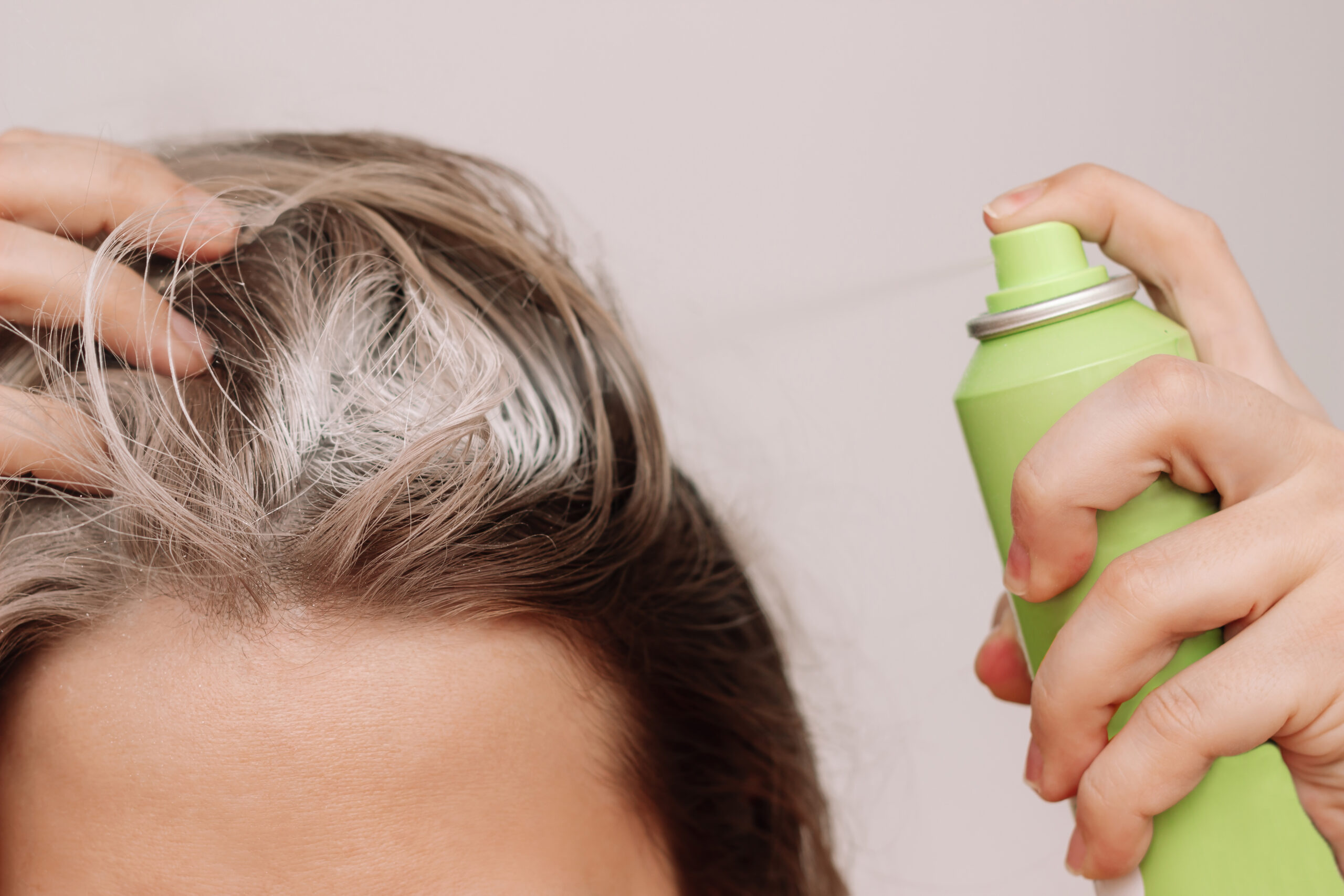
On the days between washes, dry shampoo is one of the most useful hair care products for protecting hair colour. Apply it along your parting, wait a minute or two, then gently work it through the roots. It absorbs oil without stripping the colour or over-wetting the hair.
Stick to a colour-safe dry shampoo if you can find one. Some formulas leave a white cast on darker shades, so it’s worth checking the label first.
Protect Your Hair From the Environment
Australian summers are harsh. UV rays from the sun break down colour molecules and fade vibrancy faster than most people realise.
If you’re spending time outdoors, use a UV-protectant hair spray or wear a hat. This matters especially for how to care for blonde dyed hair, since lighter shades are more vulnerable to oxidation and brassiness.
Salt water at the beach and chlorine in pools are also worth thinking about. Both strip color treated hair of moisture and accelerate fading.
Before swimming, wet your hair with fresh water first as saturated hair absorbs less salt or chlorine. After swimming, rinse thoroughly and apply a leave-in conditioner.
For those who colour regularly or are thinking about trying something new, it’s worth knowing what professional salon services are available to help protect colour and keep hair healthy.
Check out this helpful breakdown of Which Services Can You Get in a Hair Dye Salon to see what options are available to you.
What a Full Week Looks Like
Here’s a simple weekly schedule that covers all the essentials for treated hair care:
- Day 1 (e.g. Sunday): Full wash with colour-safe shampoo and conditioner. Apply a weekly hair mask. Air dry where possible
- Day 3 (e.g. Tuesday): Light wash or co-wash if needed. Apply leave-in conditioner. Use dry shampoo at roots if oily
- Day 5 (e.g. Thursday): Dry shampoo only. Avoid heat styling if possible
- Day 6–7 (e.g. Friday/Saturday): Style as normal with heat protectant. Rest hair from heavy treatments
This rhythm gives your hair care products time to work, reduces unnecessary washing, and keeps your colour lasting longer between appointments.
When Colour Goes Wrong
Sometimes, even with a great routine, colour doesn’t land where you wanted it to. It might have gone too warm, too ashy, or just uneven. That doesn’t mean you’re stuck with it. Healthy hair responds better to correction because it has more integrity and holds colour more evenly.
If you’re dealing with a colour that needs fixing, read up on What Is Hair Colour Correction: Tips to Fix Hair Colour to understand your options before making any moves at home.
In Conclusion
Maintaining coloured hair comes down to a few consistent habits . Washing less, using the right products, protecting from heat and the environment, and giving your hair a deep treatment every week.
None of it is complicated. But it does require showing up for your hair regularly. When you do, the colour lasts longer, the hair stays healthier, and every appointment at the salon goes further.
Ready to refresh your colour or want a professional to assess your hair’s condition? The team is here to help. Book your appointment online and let’s get your hair looking its best.