



Best Hair Treatments for Damaged Hair to Restore Strength and Shine
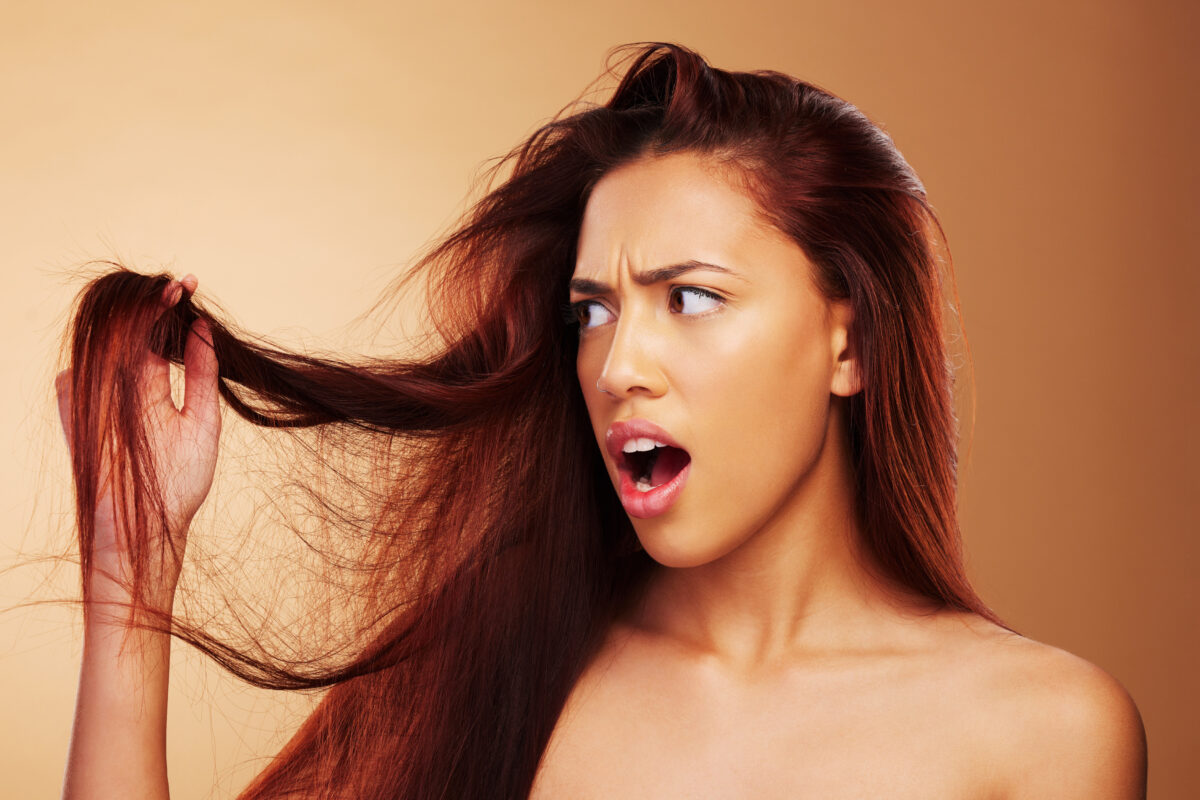
Strong, glossy hair is not just about looks. It is a sign that your hair is healthy and cared for, even if you colour it or spend a lot of time in the Aussie sun and at the beach. If your strands feel rough, snap easily, or look dull, it is time to look at a proper hair treatment for damaged hair that can bring back strength and shine for your hair types and lifestyle.
How To Tell If Your Hair Is Damaged
Before you spend money on new hair care products, it helps to know what is actually going on with your hair. When hair is damaged, the outer cuticle lifts and chips, which exposes the hair shaft underneath and makes your hair weaker and more porous. Your hair feels rough, tangles easily, and may break off or form split ends, especially if you often use heat styling, bleaching, or chemical straightening.
Common signs you need damaged hair care include:
- Dry hair that never feels soft, even after conditioner
- Breakage or little snapped pieces on your brush or pillow
- Split ends and a frizzy halo around your head
- Colour that fades quickly or looks flat and patchy
If this sounds like you, it is a sign to slow down on harsh habits and focus on treatments for damaged hair that support the hair from the inside and outside.
What Actually Causes Damaged Hair
Most damage builds up over time. It is rarely one big mistake. Heat styling tools like blow drying, straighteners, and curling irons can reach very high temperatures, which dry out the hair shaft and cause cracks in the cuticle if you skip heat protectant.
Chemical services such as bleaching, colouring, and smoothing treatments break internal bonds in the hair to change its structure, which can leave hair fragile if you do not follow up with the right care.
Add in hot showers, rough towel drying, tight ponytails, harsh brushing on wet hair, and strong sun and saltwater, and you get a recipe for dry damaged strands that feel rough no matter what you put on them.
Over time, these habits create a cycle where your hair feels weak, so you style it more, which then leads to more damage. A simple routine that reduces stress on the hair and supports repair can break that cycle.
If you want a deeper stylist-approved breakdown, the article How to Fix Damaged Hair with 2025’s Top Picks explains common causes and practical fixes for everyday damage in clear detail.
Types Of Hair Treatments For Damaged Hair
There is no single product that reverses damage in one night, but a few key categories work well together. Most people see progress when they combine moisture, strength, and protection in their hair care routine and adjust how often they use each product every week depending on your hair and how damaged it is.
Main types of hair treatments for damaged hair include:
- Hydrating masks and deep conditioning treatments
- Strengthening or protein treatments
- Bond-building treatments
- Leave-in creams, oils, and sprays for daily protection
The best mix for you depends on whether your main issue is dryness, breakage, chemical damage, or a bit of everything.
Deep Conditioning And Hair Masks For Dry And Damaged Hair
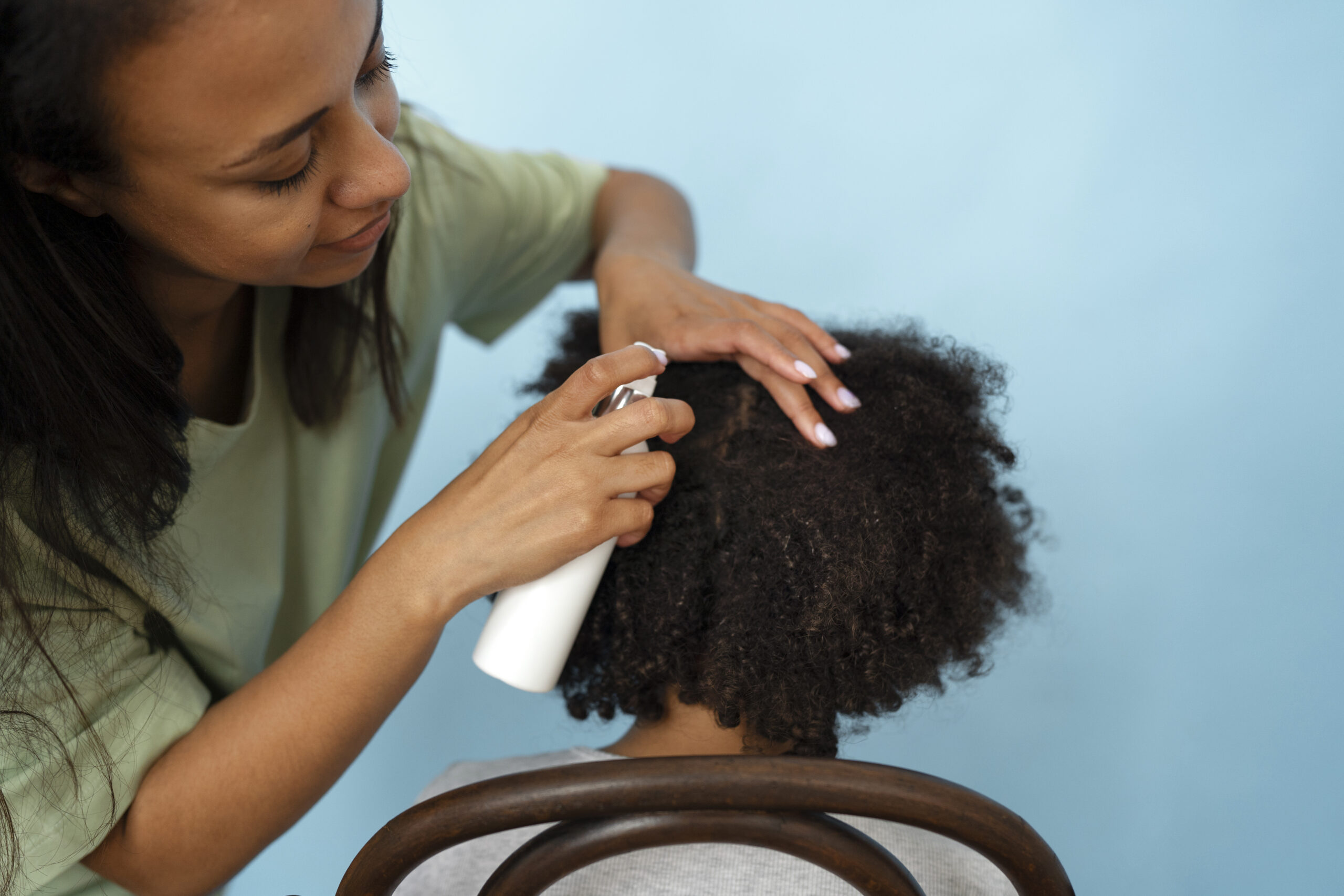
If your hair feels rough, puffy, or straw-like, start with moisture. A good hair mask for dry and damaged hair adds hydration, improves slip, and smooths the cuticle so your hair is easier to detangle and style.
Deep conditioning masks sit on the hair for longer than regular conditioner and often contain oils, butters, and humectants that soak into the hair shaft and help the surface lie flatter.
A simple way to use a mask:
- Shampoo and rinse your hair
- Gently squeeze out extra water
- Apply the mask from mid-lengths to ends
- Leave on for the time stated on the pack
- Rinse with lukewarm water
Most people do well using a moisture mask once or twice a week depending on your hair. If your hair feels very dry, you might start with twice a week, then drop back to once a week as your hair improves.
For coloured hair, the article Care for Dyed Hair: Pro Tips for the Perfect Weekly Hair Routine explains how to balance moisture, colour-safe products, and styling so your colour stays fresh while you focus on strengthening damaged hair.
Strengthening Treatments To Repair Broken Hair
When your hair snaps easily or feels stretchy and weak when wet, moisture alone is not enough. Strengthening treatments, often with proteins or amino acids, help repair broken hair by filling in weak spots and supporting the structure of the hair shaft.
They do not glue the hair back together forever, but they can reduce breakage and improve elasticity so your hair bends rather than snaps.
Because too much protein can make hair feel stiff or brittle, most people only need a protein-based hair treatment for dry and damaged hair every few weeks.
Fine hair types tend to prefer lighter sprays or treatments, while thick or curly hair can often handle richer formulas. If your hair feels rough or hard after a protein treatment, follow it with a hydrating mask next time to balance moisture and strength.
Bond-Building Treatments For Chemical Damage
If your main damage comes from bleaching, highlights, or strong chemical services, bond-building treatments can help repair damaged hair from the inside. These products support internal bonds that are weakened when hair is lightened or chemically changed, which can improve strength and reduce breakage over time.
Bond-building treatments come in salon services and at-home masks or leave-ins. Many salons in Australia offer in-chair bond repair as part of a colour service, then suggest a follow-up home routine so you can keep supporting your hair between appointments.
A stylist can tell you how often to use these products each week depending on your hair, your colouring habits, and your budget.
Heat Styling, Blow Drying, And Daily Protection
Even the best treatments will struggle if you keep using high heat on bare hair. Heat styling tools, especially straighteners and curling irons, can damage the cuticle and inner hair if used at high temperatures without any barrier.
To protect your hair, always apply a heat protectant before blow drying or using hot tools. This light product forms a shield that slows moisture loss and strengthens hair against direct heat.
A few easy changes can help:
- Let your hair air dry partway before blow drying
- Use medium heat instead of the top setting
- Keep tools moving instead of clamping in one spot
- Try heat-free styles some days so your hair can rest
Leave-in conditioners, oils, and styling products that focus on hydration and frizz control can support damaged hair care, especially on busy mornings when you still want your hair to look polished. Think of them as daily “insurance” for your ends.
Building A Simple Hair Care Routine For Damaged Hair
You do not need a complicated shelf of products to care for damaged hair. The key is consistency with a few basics. A simple damaged hair care routine might look like this:
- Wash two or three times a week with a gentle, sulphate-free shampoo
- Use a nourishing conditioner every wash, focusing on mid-lengths and ends
- Swap your conditioner for a deep conditioning mask once a week
- Use a strengthening treatment every few weeks if you have a lot of breakage
- Apply a leave-in conditioner or oil after each wash
- Use heat protectant every time before heat styling
If you are unsure which products or steps suit you, the article How to Choose the Perfect Hair Stylist for You explains how to find a stylist who understands your hair type, your goals, and your day-to-day routine, so you get tailored advice instead of guesswork. A stylist who knows your hair can help set up a routine that fits into your life without feeling like a chore.
In Conclusion
Damaged hair does not fix itself overnight, but it can improve with the right mix of care, patience, and good habits. If your hair needs some extra help, you can book a consultation and treatment with a stylist who will assess your hair, recommend the best treatments for damaged hair, and build a realistic plan that suits your lifestyle.