



How To Brush Curly Hair: According To Your Stylist
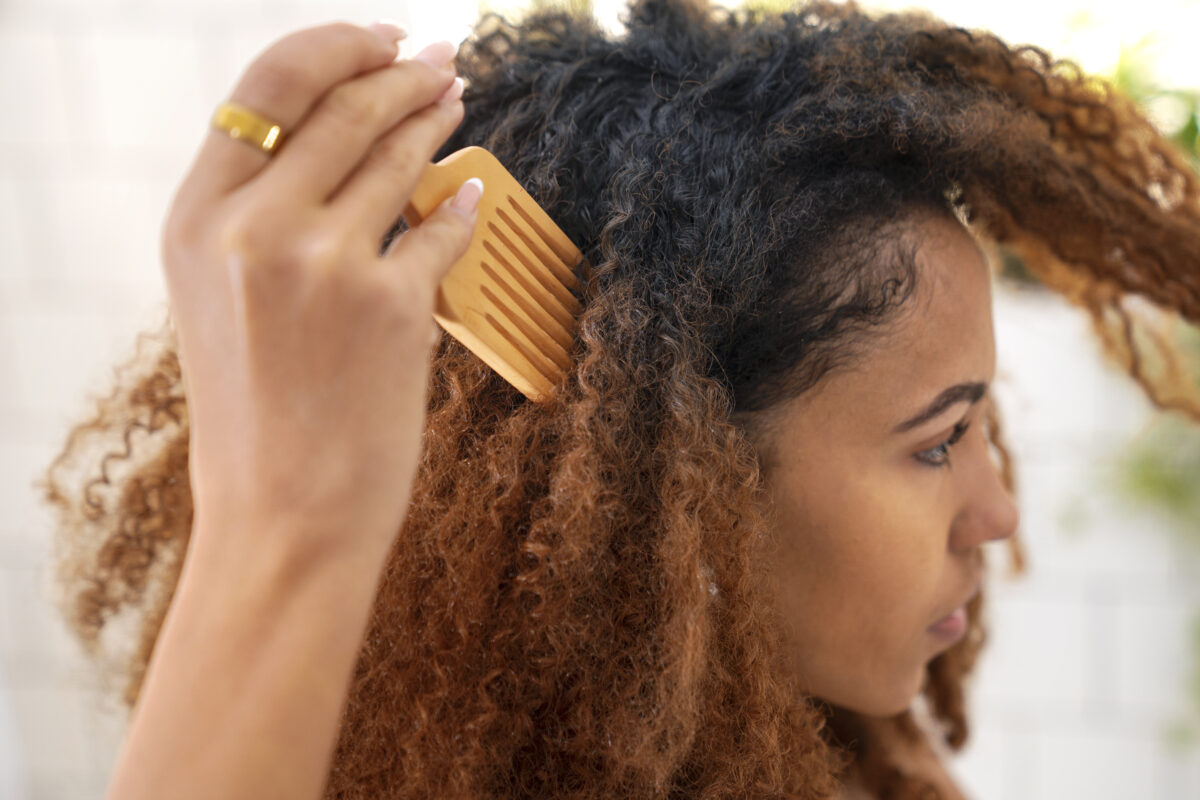
Ever typed “how to comb a curly hair” into a search bar and came out more confused than when you started? Curly hair plays by a different set of rules, and brushing is one area where a lot of people go completely wrong.
Once you understand what your curls actually need, though, it gets much more manageable. Let’s discuss.
Why Straight-Hair Rules Don’t Apply
Most of us grew up being told to brush our hair every day. Hundred strokes before bed, start from the roots, the whole lot. That advice was made for straight hair, and it simply does not apply to curly hair.
Brushing curly hair when it’s dry is one of the most common mistakes. It breaks up the curl pattern, causes frizz, and leads to breakage over time.
When you brush your hair dry,you are separating each strand from its curl clump. What you end up with is a puff, not a defined curl. So if you’ve been wondering why your curls look more frizzy mess than bouncy ringlet, dry brushing is likely the culprit.
The Right Time to Brush Curly Hair
The best time to brush curly hair is when it’s wet or damp and coated with conditioner or a detangling product. Damp hair has more elasticity, which means less snapping when you work through knots.
Most stylists recommend brushing in the shower after applying conditioner. Your hair has slip, your curls are soft, and the process is gentler on your strands.
If you’ve already dried your hair and need to brush through it, mist it lightly with water first to reintroduce some moisture. Brushing curly hair without any moisture is a recipe for breakage.
Choosing a Good Brush for Brushing Out Curls
Not every brush is built for curly hair, and using the wrong tool is just as damaging as using the wrong technique.
A detangling brush is your best starting point. Look for one with flexible, widely spaced bristles. These work through knots without tearing or pulling.
A good brush for brushing out curls should feel gentle even when you hit a stubborn section. If it feels like it’s ripping, it’s not the right brush.
Wide-tooth combs are also a solid option, particularly for tight curls and coils. They give you more control and cause less disruption to the curl clump than a brush would.
Avoid dense bristle brushes. These are built for straight hair and will undo your curl pattern quickly.
How to Brush Curly Hair Step by Step
Once you’ve got the right tool and your hair is damp, here’s how to do it properly.
Section your hair first: Working in sections makes everything easier. Thicker hair needs smaller sections; finer curls can handle larger ones.
Apply product before you brush: Work a leave-in conditioner, curl cream, or detangling spray through each section before the brush comes out. This gives your hair the slip it needs so the brush can glide through rather than drag.
Start from the ends, not the roots: This is the most important step. Always begin at the tips and work your way up slowly. Starting at the root and dragging down pulls knots tighter and snaps strands. Bottom-up brushing loosens tangles gradually.
Be patient with knots:If you hit a stubborn tangle, don’t force the brush. Use your fingers first to loosen it, then go back in with your detangling brush. Patience here saves you a lot of breakage.
Smooth through once detangled: After each section is tangle-free, you can brush gently from root to tip to smooth everything out and help distribute your styling products evenly.
Different Curl Patterns Need Different Approaches
Not all curls behave the same way, and brushing curly hair with a one-size approach often leads to disappointment.
If you have loose waves, you have a bit more flexibility. You can brush more frequently and with slightly more firmness without too much disruption to your natural curl.
Tight curls and coils are more fragile and need a gentler touch. Use your fingers as much as possible to work through tangles before introducing a brush.
A wide-tooth comb is often safer than any brush for very tight curls. If you are just getting started with understanding your curl type, this guide on How to Start a Curly Hair Routine is a great place to begin.
Styling Products and Why They Matter
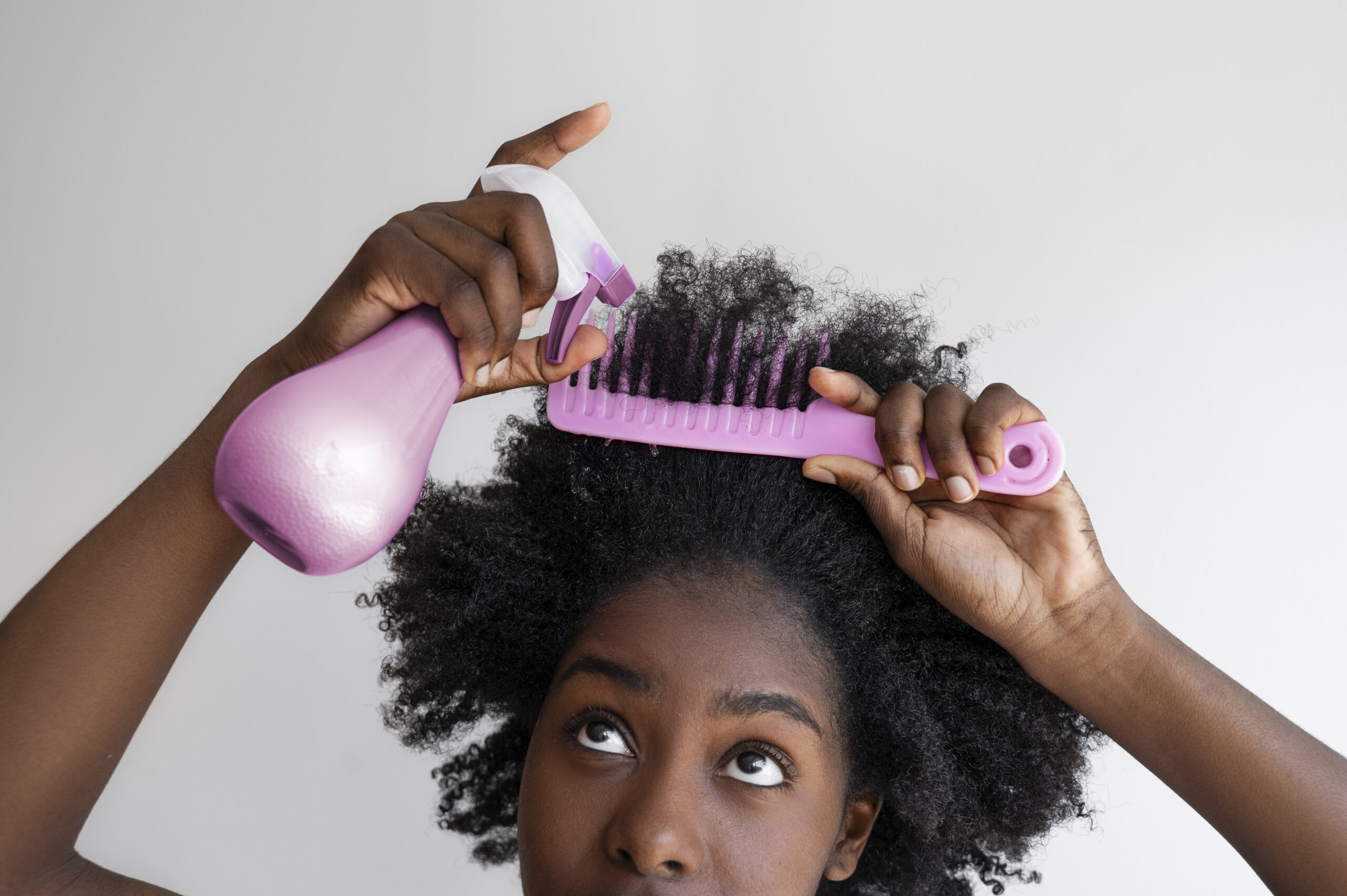
Brushing is only part of the picture. The styling products you use have a direct impact on how your curls look and how easy they are to manage.
A leave-in conditioner is non-negotiable for most curly hair types. It keeps your natural curl moisturised between washes and makes detangling much less of a battle.
Curl creams and light gels help define and hold your curls after you’ve brushed through.
Apply styling products while your hair is still damp and scrunch them in from the ends upward. This encourages your curl pattern to form without being disrupted.
Avoid heavy oils or thick butters before brushing curly hair, as these can weigh the curl down and cause the brush to drag rather than glide.
How Often Should You Brush Curly Hair?
Most stylists recommend brushing curly hair only on wash days, when your hair is wet and conditioned. Daily brushing, even with the right brush, can disturb your curl pattern and lead to unnecessary frizz.
On days between washes, refresh your curls with a water mist and a bit of leave-in, and use your fingers to reshape any sections that need it.
If you are after a lower-maintenance curl style that’s easier to manage day to day, these Best Short Hairstyles for Women with Curly Hair are worth a look. Shorter lengths often mean less detangling and simpler upkeep.
Brushing Curls Out for a Straighter Look
Sometimes you want to brush curls out entirely, maybe for a blown-out look or just a change. This is fine occasionally, but it does mean temporarily parting ways with your curl pattern.
If you are brushing curly hair out for a straighter result, do it on damp hair with a heat protectant applied first. Use a paddle brush and work section by section, using a blow dryer to straighten as you go.
This gives you more control and reduces heat damage. Keep in mind that brushing out curls regularly over time can weaken the curl pattern.
If you want to explore heat styling safely, check out this piece on How to Curl Your Hair for guidance on working with heat without damaging your strands.
And if you are thinking about a fresh cut to complement your texture, the team offering Professional Hair Cutting Services can help you find a shape that works with your natural curl.
Caring for Your Curls at Night
How you treat your curls overnight affects how they look in the morning.
A regular cotton pillowcase creates friction while you sleep, which leads to frizz and tangles by morning. Swap it out for a satin or silk pillowcase to reduce that friction and help your curls hold their shape overnight.
You can also try a loose pineapple before bed. That’s just a high, loose ponytail on top of your head. It keeps your curls from getting flattened as you sleep. In the morning, take it out, give your hair a gentle shake, and mist with water to refresh.
In Conclusion
Brushing curly hair well comes down to three things: the right tool, the right timing, and the right technique. Work with your curls rather than against them, and you’ll see less frizz, less breakage, and a more defined curl pattern over time. Your curls are worth the extra care and attention.
Ready to Give Your Curls Some Professional Attention? Book Your Appointment Today. We can help you understand your curl type, recommend the right products, and give you a cut that works with your natural texture rather than against it.